
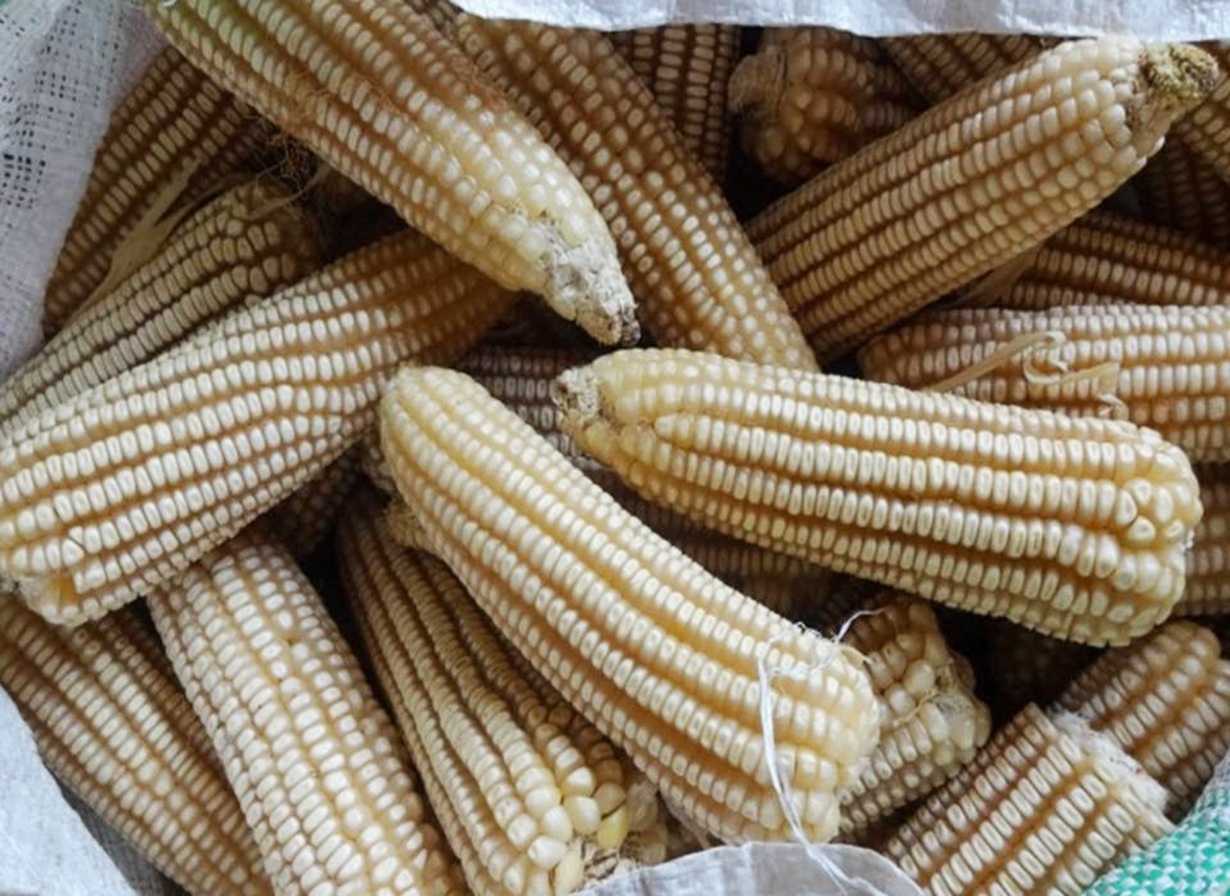
Whether it’s the smell of roasted corn on a rainy afternoon or the steaming bowl of Tuwo Shinkafa on the dinner table, maize is the heartbeat of Nigerian agriculture. But for years, our “Golden Grain” has been under siege. Between unpredictable droughts and the devastating invasion of the Fall Armyworm, farmers were watching their investments wither away.
Enter SAMMAZ 56, the heavy hitter of the TELA Maize family. Released to tackle the twin threats of pests and climate change, this variety is rewriting the story of maize farming in Nigeria. Here is why SAMMAZ 56 is the “King of the Field” in 2026.
Maize farmers used to have two nightmares: a sky that refused to rain and a worm that refused to die. The Fall Armyworm could wipe out an entire field in days, forcing farmers to spend a fortune on toxic pesticides that barely worked. SAMMAZ 56 was built specifically to end that cycle of loss.– The Double Threat: Drought & Armyworms
By combining advanced breeding for drought tolerance with biotechnology for pest resistance, SAMMAZ 56 doesn’t just grow; it thrives where other varieties fail. It’s not just a seed; it’s an insurance policy for the Nigerian farmer.
The Hero: What Makes SAMMAZ 56 Different?
Developed through the TELA Maize Project at the Institute for Agricultural Research (IAR), SAMMAZ 56 is a triple-threat variety. It is engineered to protect itself from Stem Borers and Fall Armyworms while maintaining high productivity even when the rains are sparse. Here is the breakdown of its superpowers:
- Built-in Protection: Resistant to Fall Armyworm and Maize Stem Borer.
- Climate Resilient: Specially bred to survive and yield well during moderate drought
- Massive Yields: Offers a significant increase in bags per hectare compared to local varieties.
- Lower Costs: Dramatically reduces the need for expensive and harmful chemical sprays.