
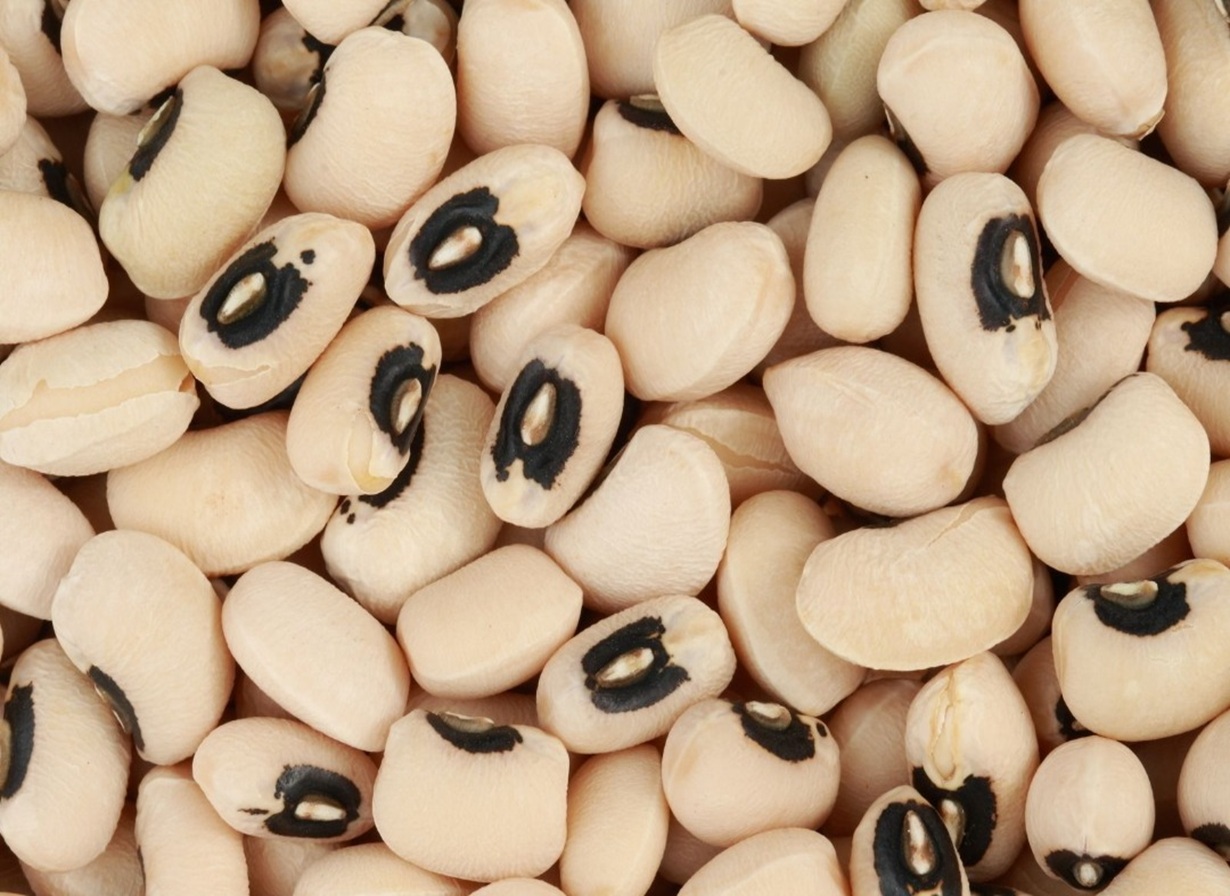
If you’ve ever walked through a Nigerian market, you know that beans (cowpea) aren’t just food—they are the “poor man’s protein,” the backbone of Gbegiri, the soul of Akara, and the heart of Moin-Moin. But for decades, our farmers have been fighting a losing battle against a tiny, invisible enemy: the Maruca vitrata, better known as the Pod Borer.
Enter PBR (Pod Borer Resistant) Cowpea, specifically the variety known as SAMPEA 20-T. Since its commercial release, it has been quietly transforming farms from Kano to Oyo. Here’s why this “super bean” is the talk of the town in 2026.
Imagine spending months tending to your farm, only for a pest to swoop in and destroy 80% of your harvest. That was the reality for most Nigerian cowpea farmers. To save their crops, many were forced to spray heavy chemical pesticides 6 to 10 times in a single season.– The Villain: The Maruca Pod Borer
This wasn’t just expensive; it was a health hazard for the farmers and the environment. With PBR Cowpea, we are finally seeing a solution that puts the power back into the hands of the Nigerian farmer while protecting the land and the consumer.
The Hero: What is PBR Cowpea?
Developed by the Institute for Agricultural Research (IAR), this variety contains a natural “security guard” gene. When a pod borer tries to eat the plant, the crop fights back naturally. This means more food, less poison, and a brighter future for food security in Nigeria. Here is why it’s a game-changer:
-
Spray Less, Save More: Farmers now spray only twice instead of ten times.
-
Bumper Harvests: Yields have increased by up to 20% to 100% on most farms.
-
Safety First: Reduced chemical use means healthier soil and safer beans.
-
Economic Boost: A potential $600M annual injection into Nigeria’s economy.